Fall 2019
Seminar: Speculative Urbanisms
Texas Tech University
Professor Kristine Stiphany
Site: Manhattan, NY
Software: Rhino, Illustrator, Photoshop
Data: USGS
Speculative Urbanism involves looking into the future by observing current factors and conditions.
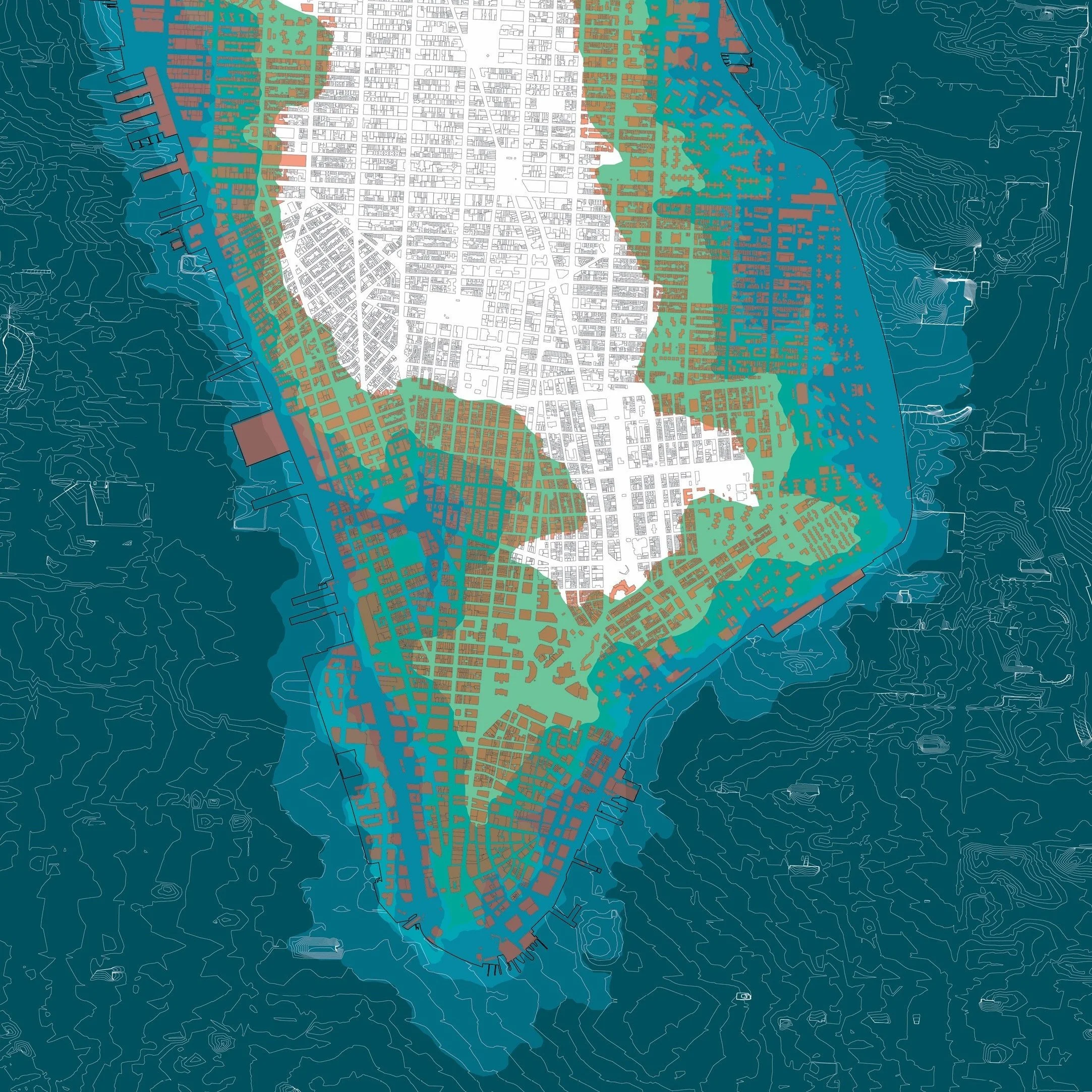
“The Big U,” by BIG is a design response to climatic change in Manhattan, New York. This case study challenges how we perceive flood zones and the protective systems designed in low-lying topography.
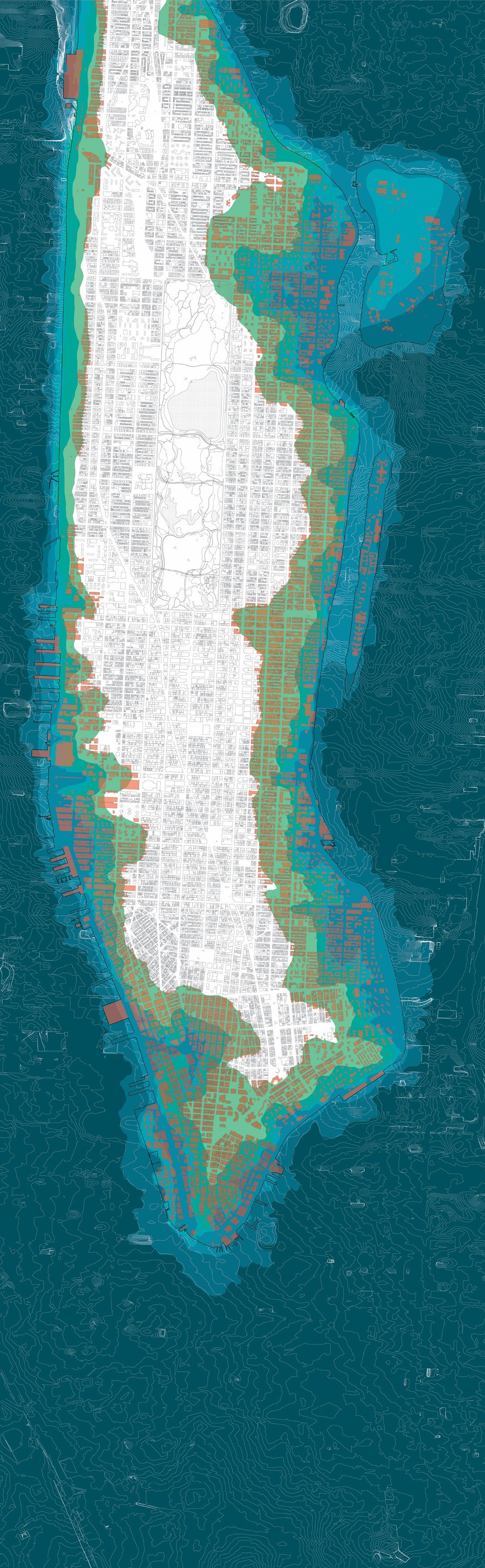
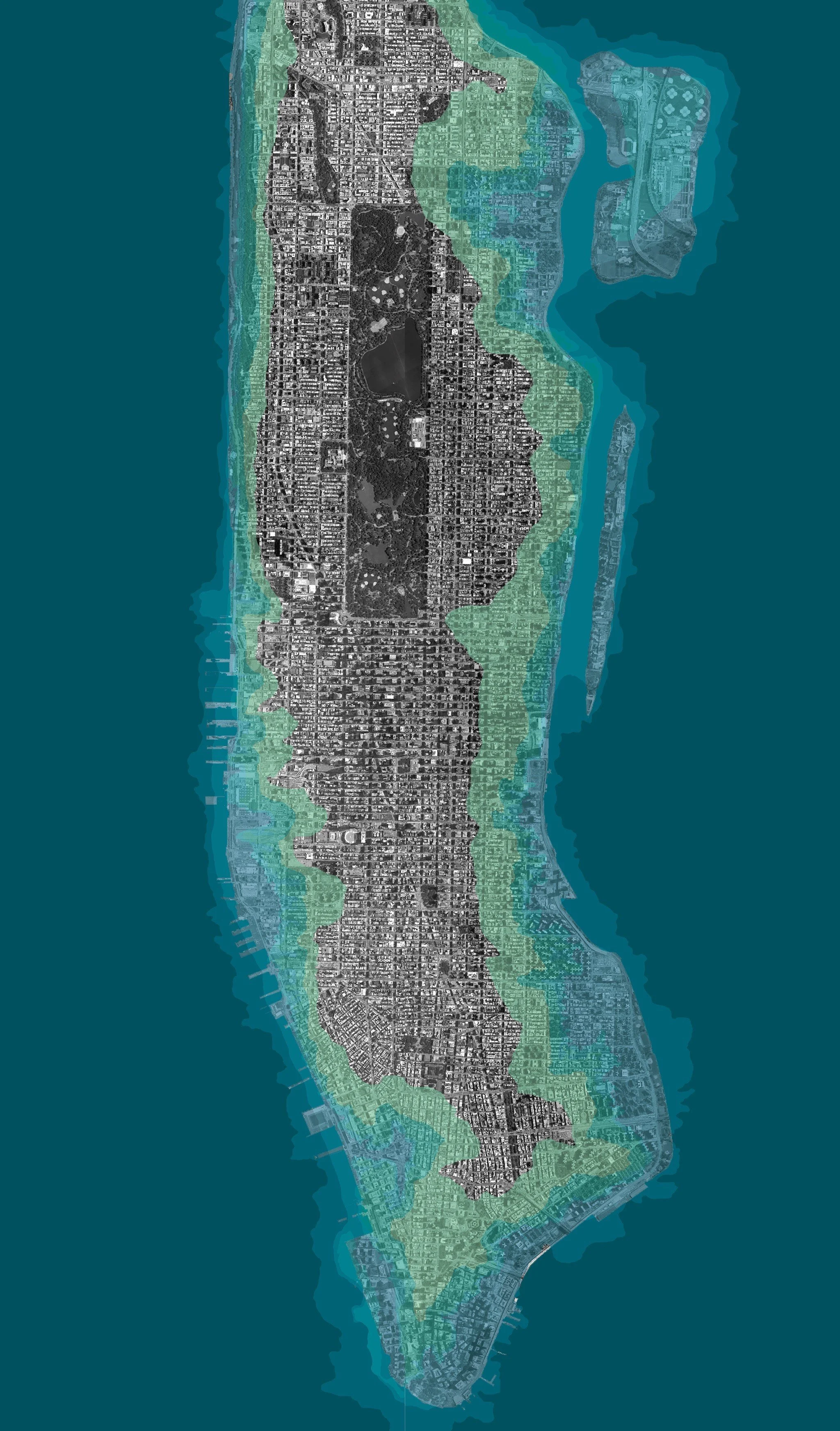
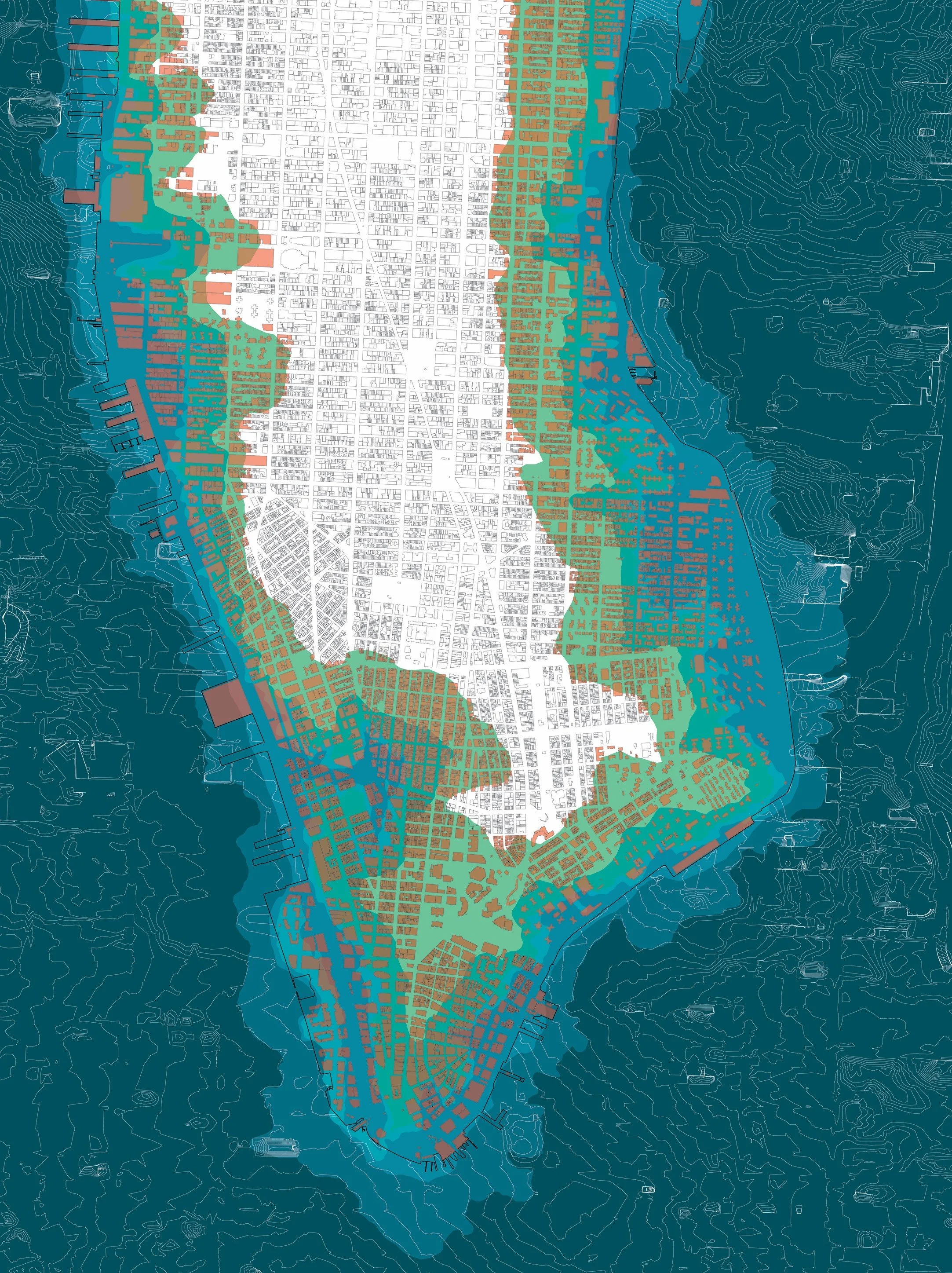
The case study anticipates temporary flood zones along Manhattan’s coastline due to climatic disasters. In 2012, Hurricane Sandy caused a storm surge that devastated infrastructure within a 10-mile perimeter of Manhattan. To prevent future damage and anticipate climate change, BIG proposes protective systems around Manhattan’s coastline. These protective systems include community parks, deployable artwork panels designed to slow down the movement of water during storm surges, and elevated topographic paths for pedestrian circulation.
The case study does not address how these protective systems will prevent permanent sea level rise.
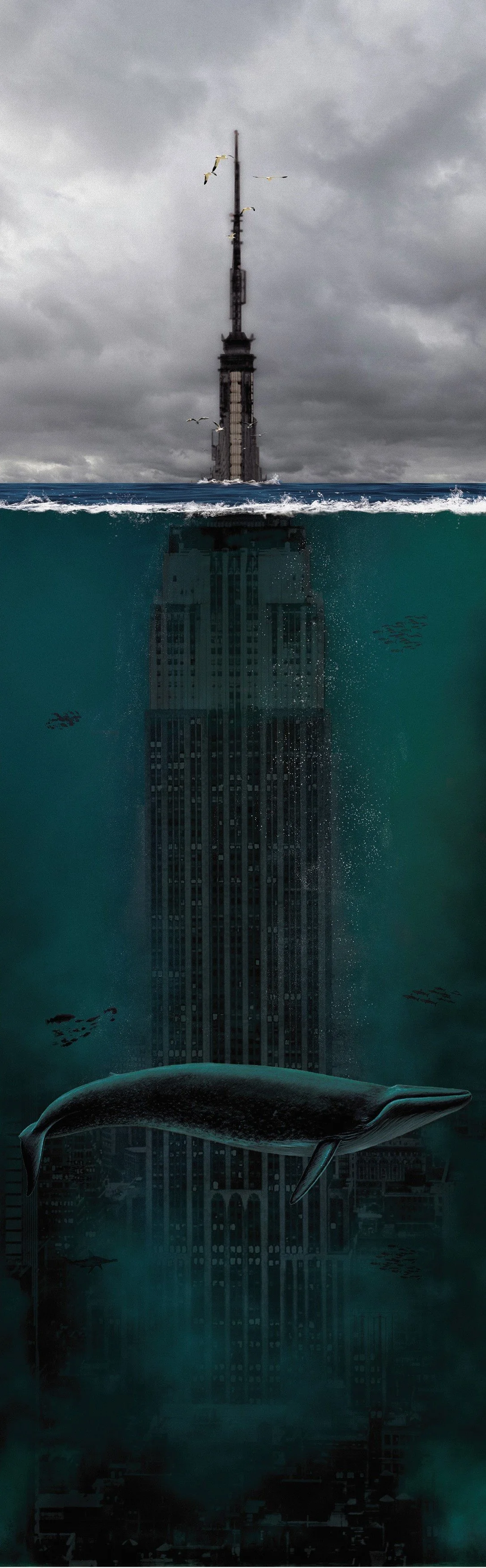
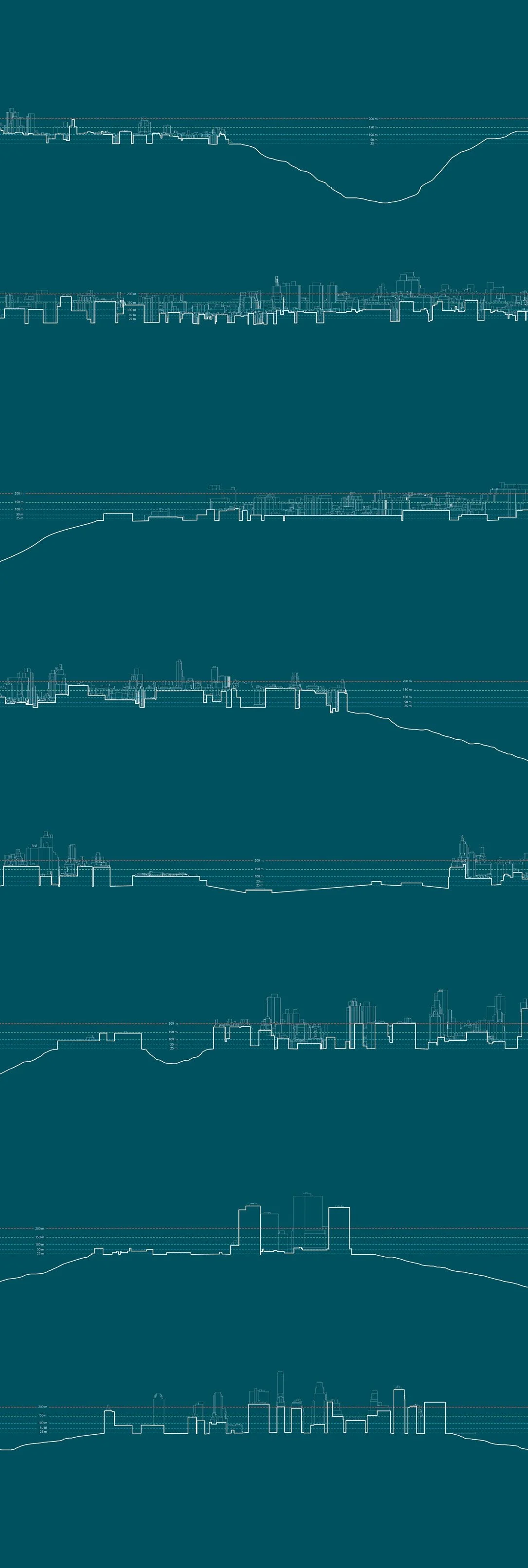
My proposal accelerates sea level rise and speculates the future of Manhattan’s coastline. With the use of existing flood data, we were able to speculate and exaggerate the data to depict Manhattan underwater. In order to grasp the speculation of sea level rise, we utilized scale and narration to understand the consequences of climatic change.
Fall 2022
Advanced Design Studio
University of Texas at Austin
Professor: Tekena Koko
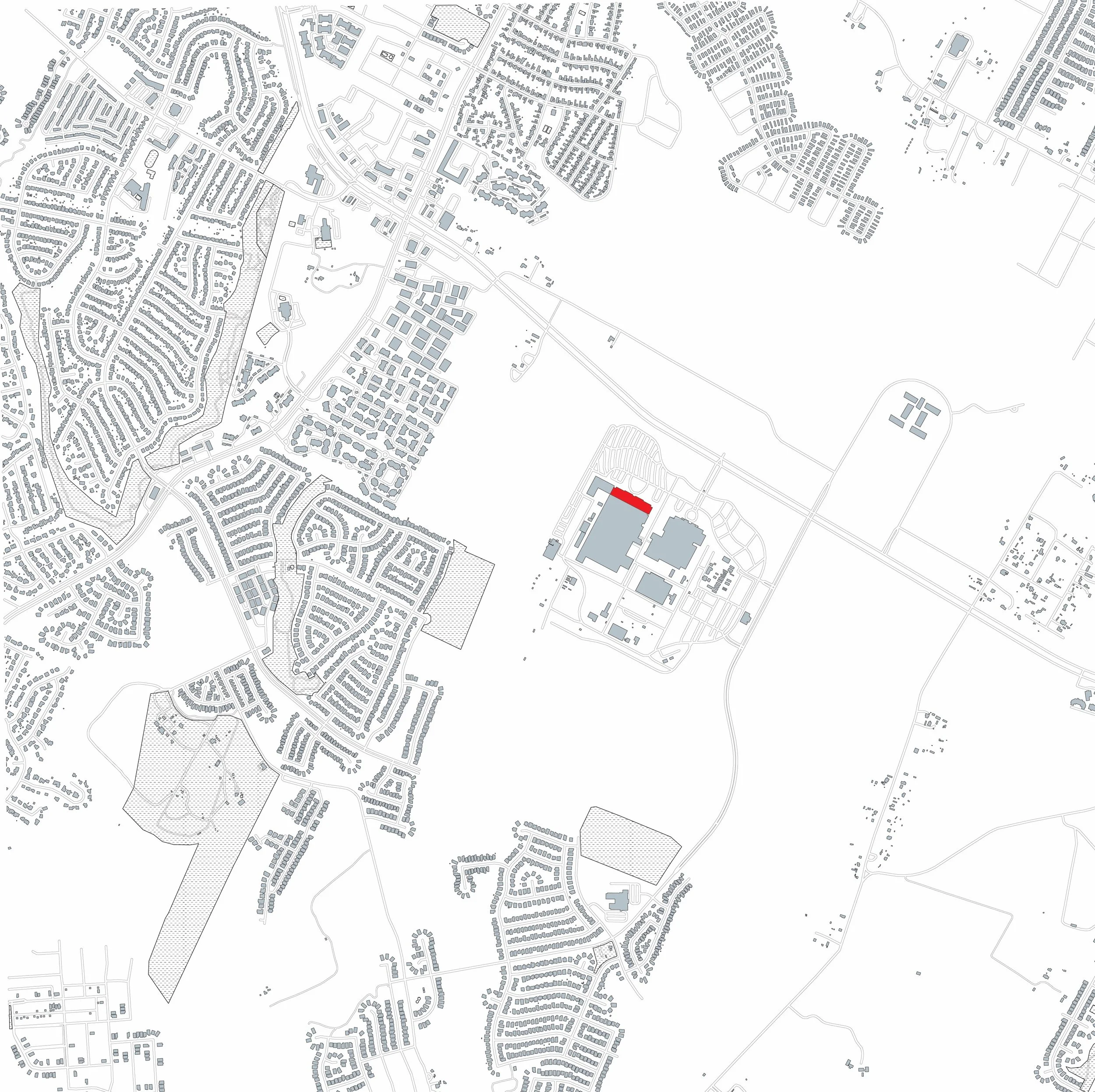
Site: Taylor, Texas
Software: Revit, Rhino, Illustrator, Photoshop
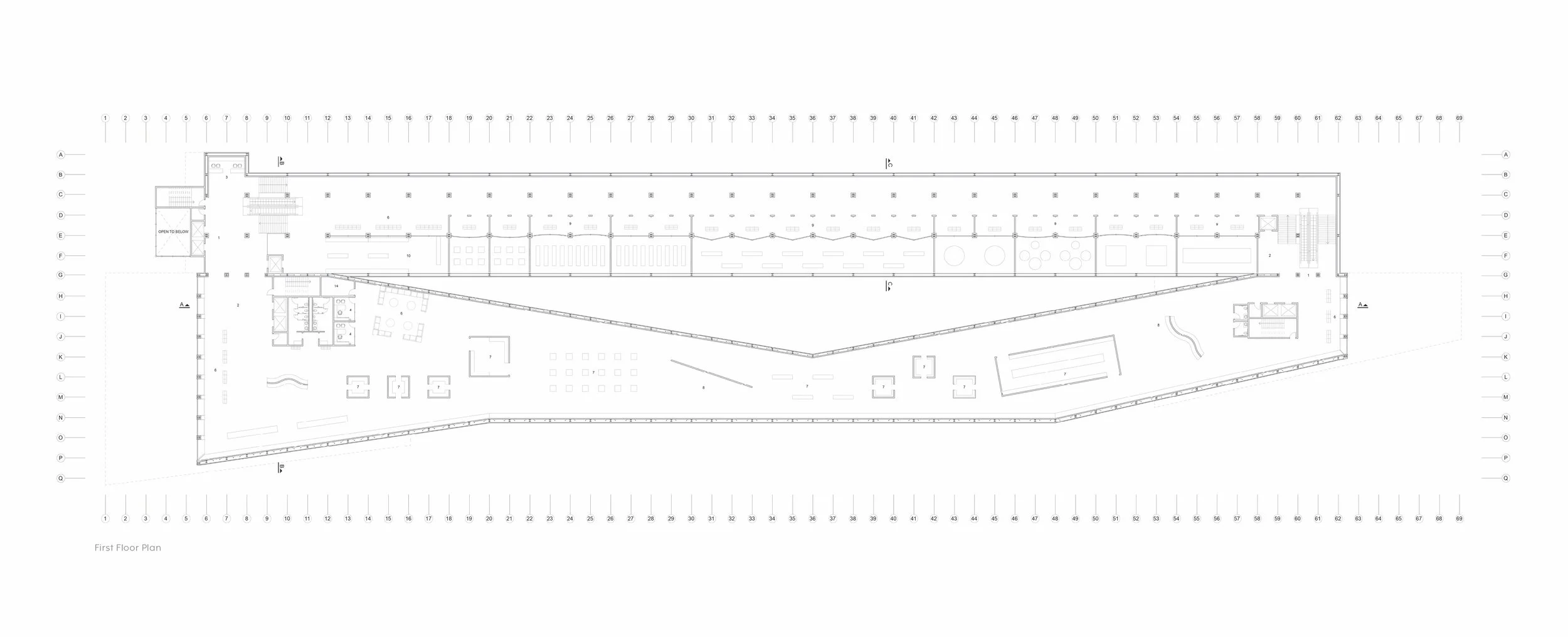
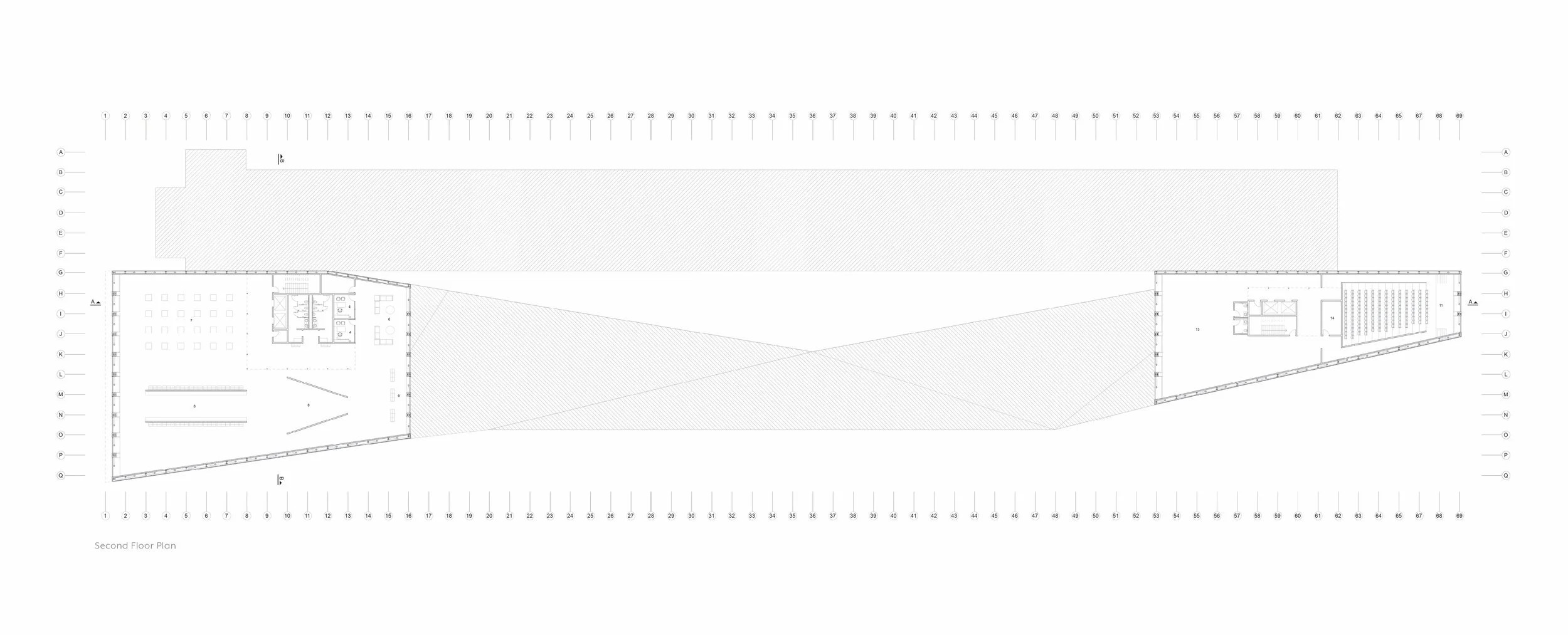
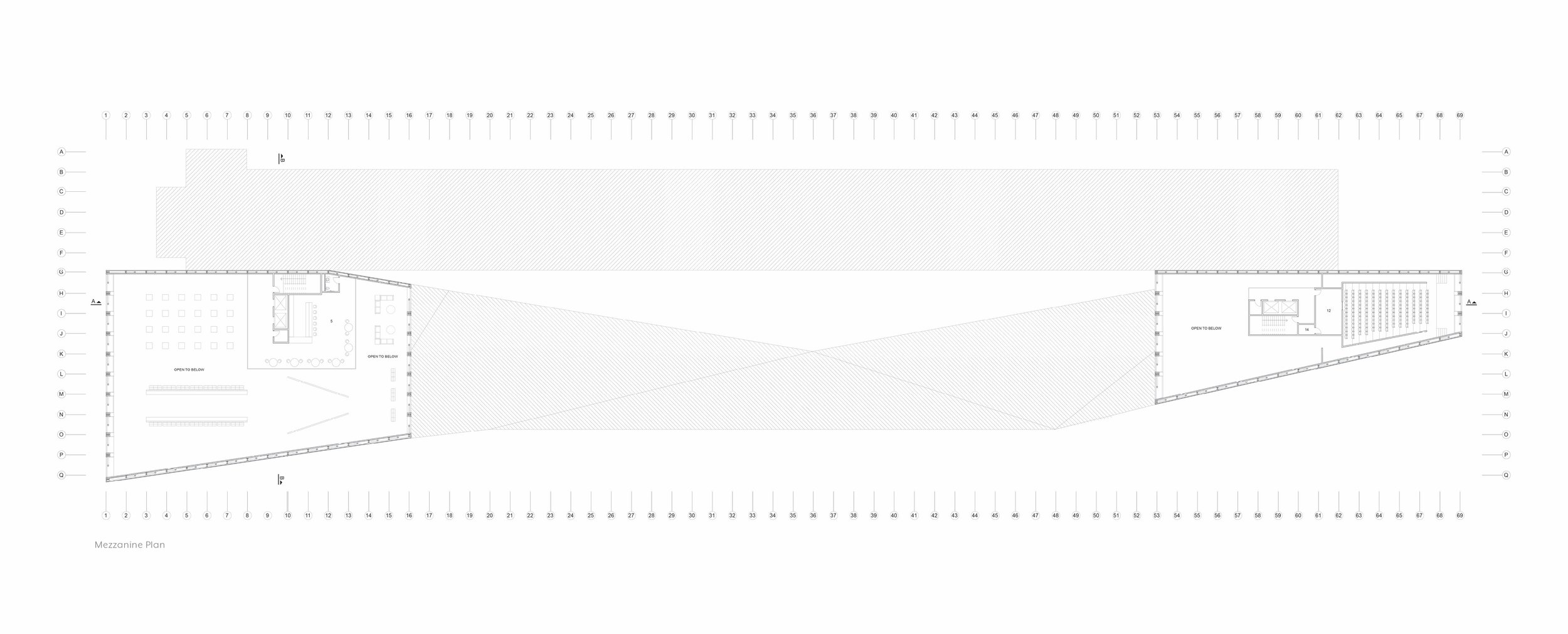
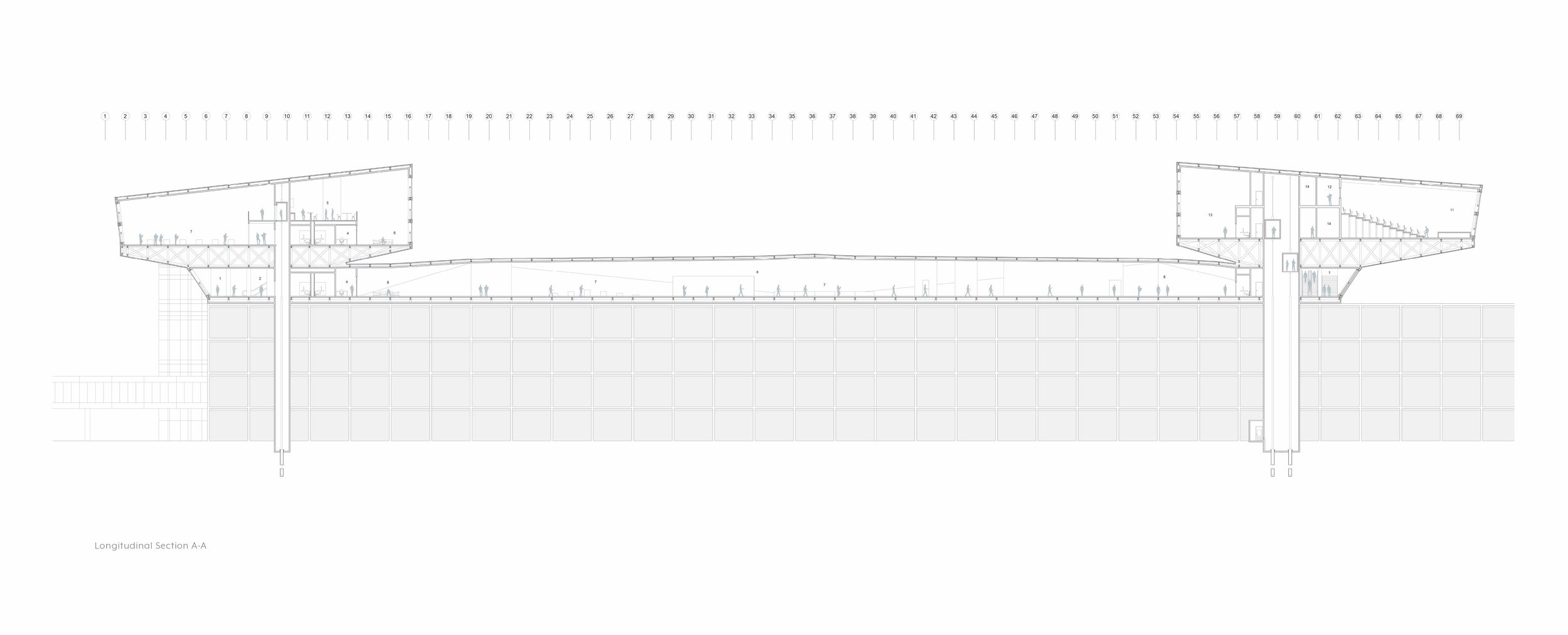
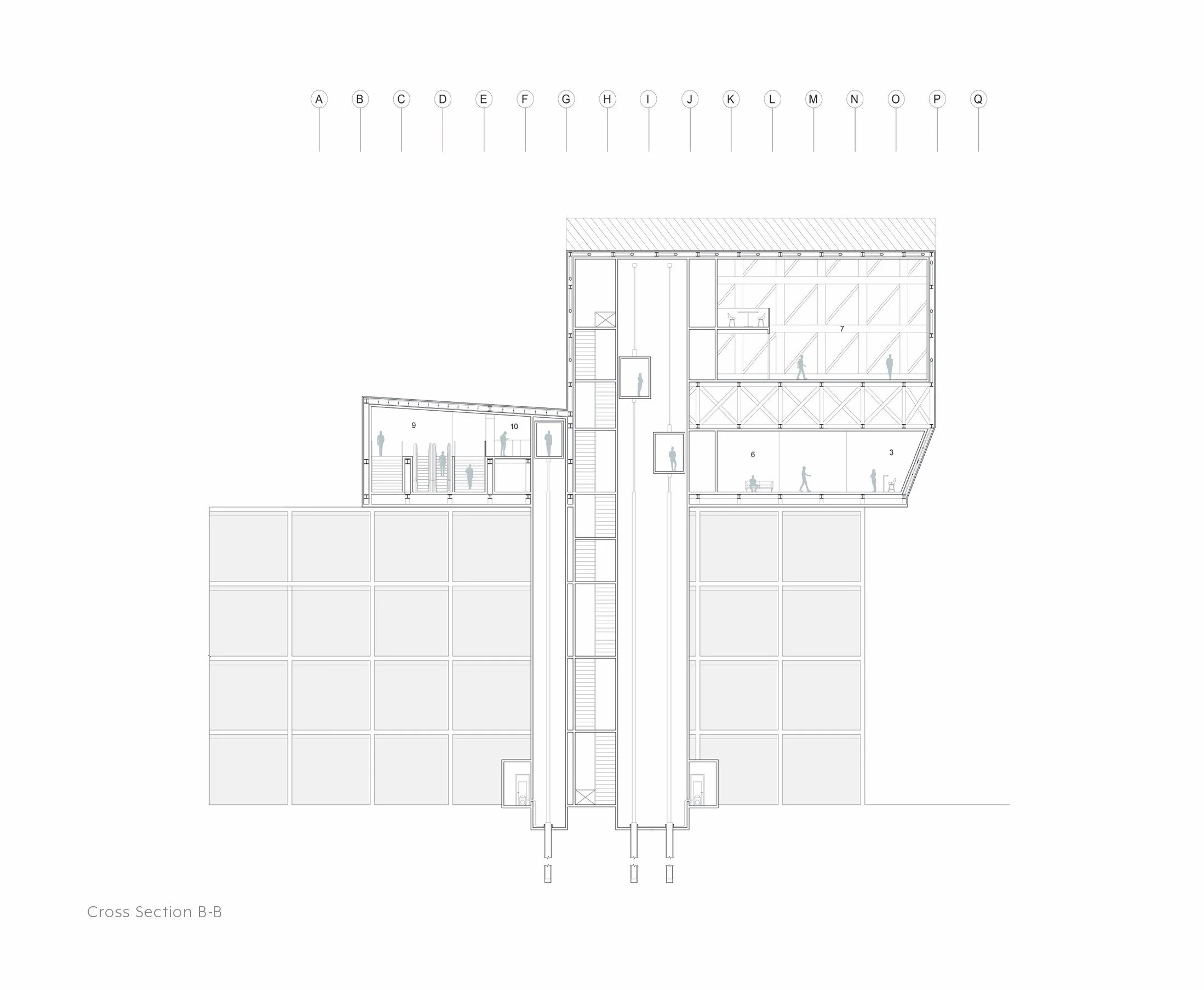
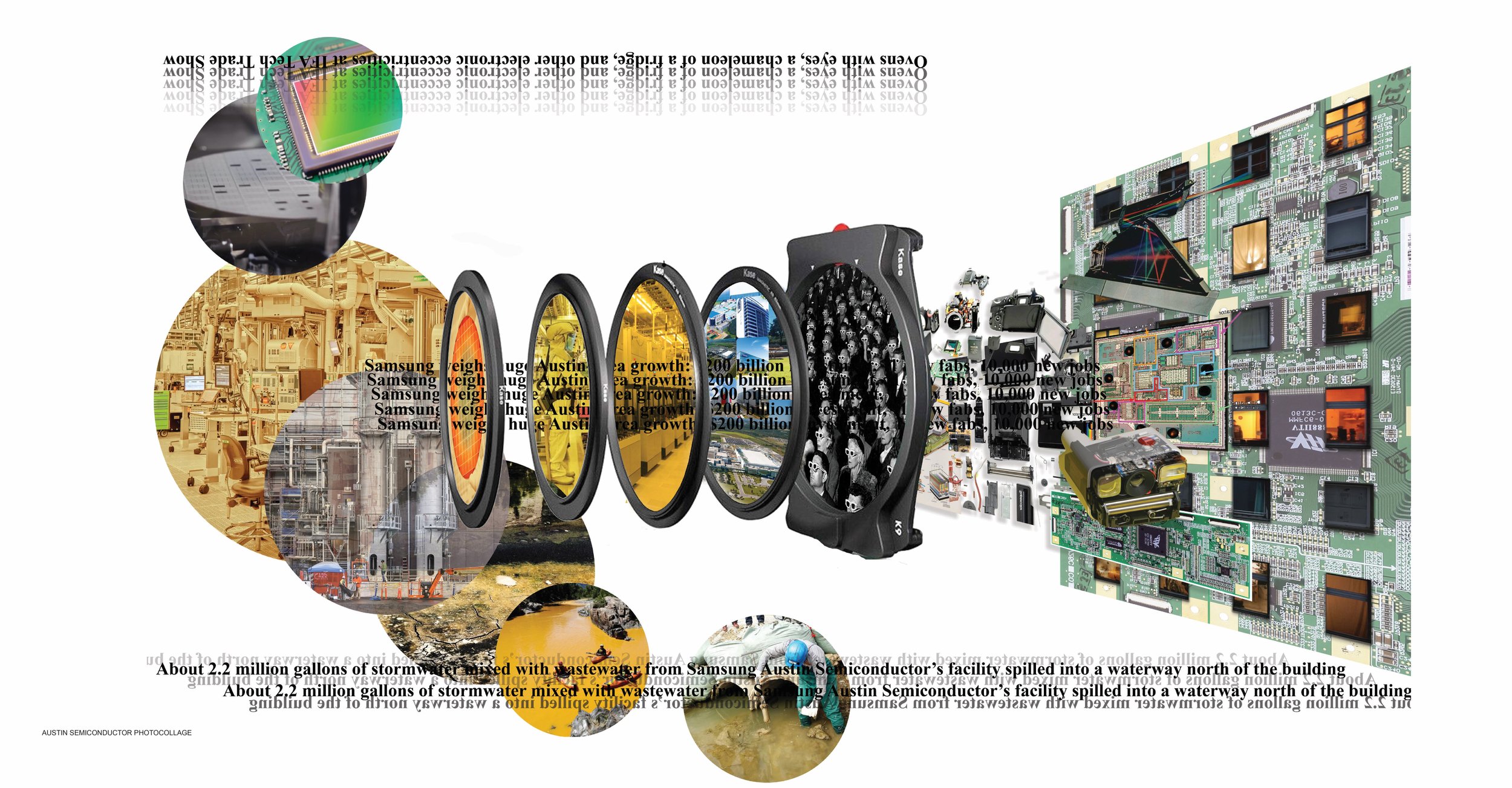
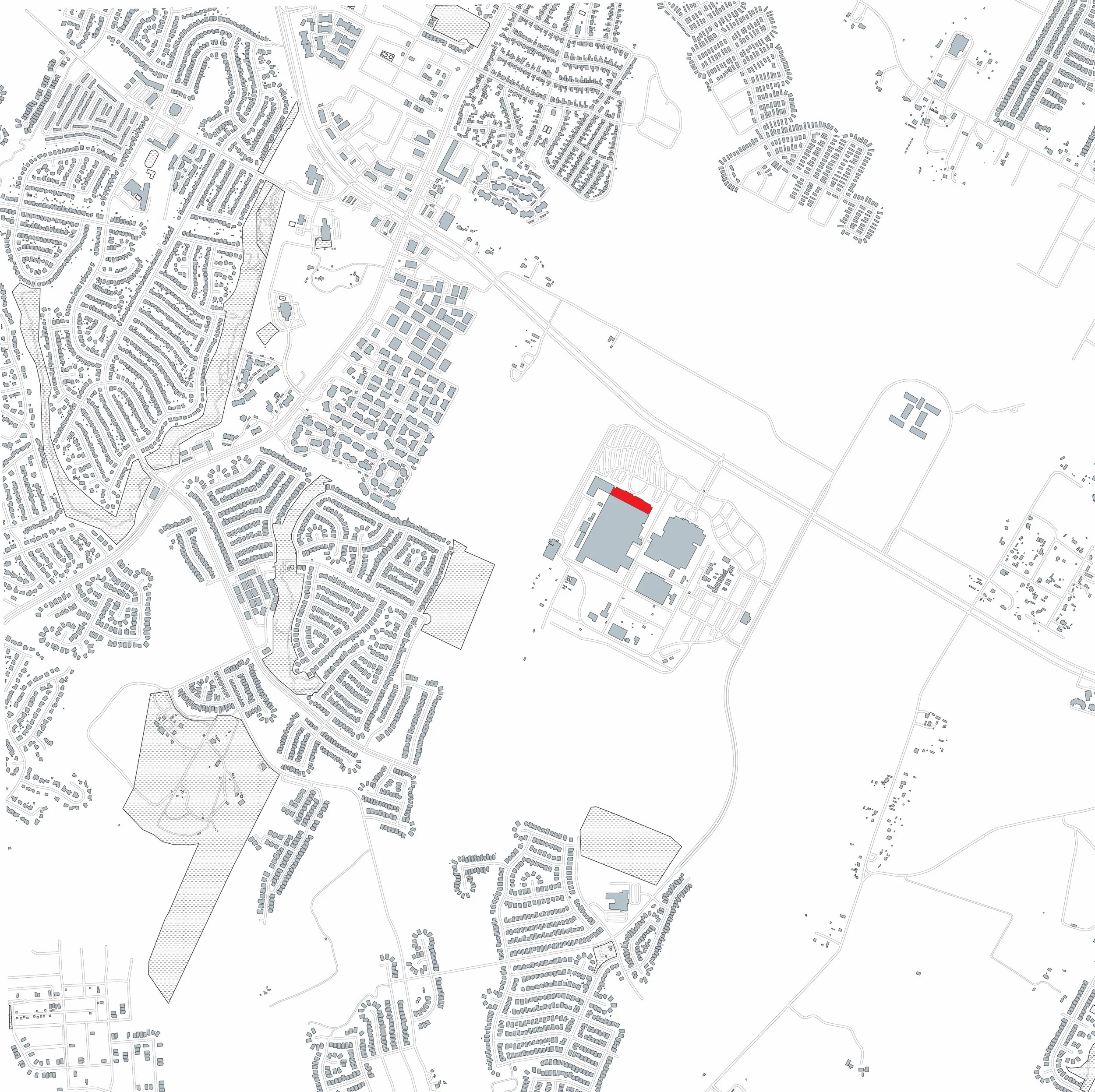
The Samsung Semiconductor Visitor Center emphasizes architecture as a formation capable of providing insights into the opaque or incomprehensibly complex forms of manufacture, distribution, consumption, and data storage that define contemporary industrial production and service supply. The visitor center is a product of the recent growth of the advanced technology and luxury goods industries inside the broader Austin region.
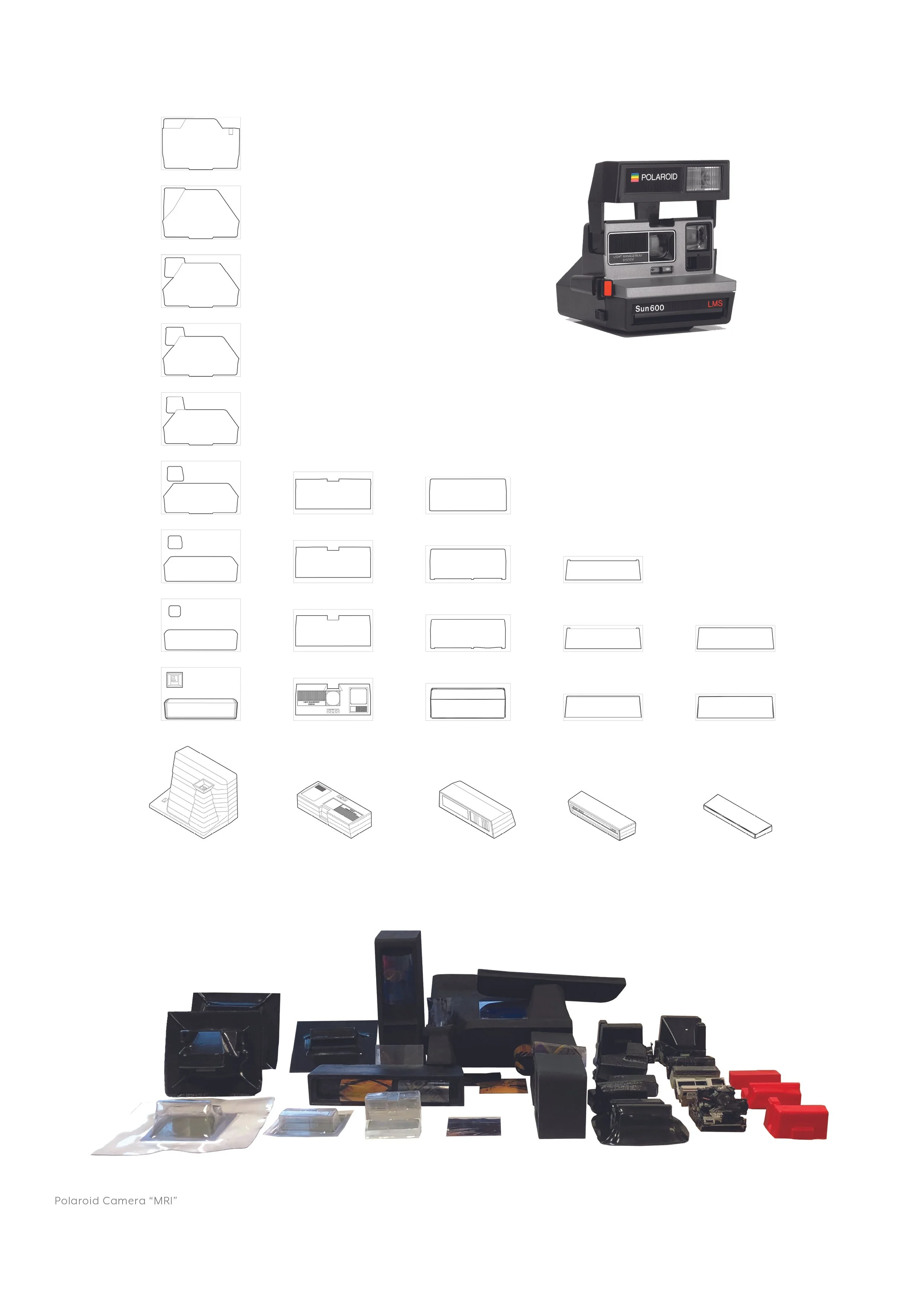
The project looks at the process of making semiconductors and pays special attention to the optical parts of the technology. The process of conceiving the form of the visitor center began with formal explorations, which involved deconstructing a Polaroid camera to expose the “secrets” of optics and semiconductors, vacuum forming the pieces of the camera into individual sections, and silicone casting. These explorations directly influence the building’s form.
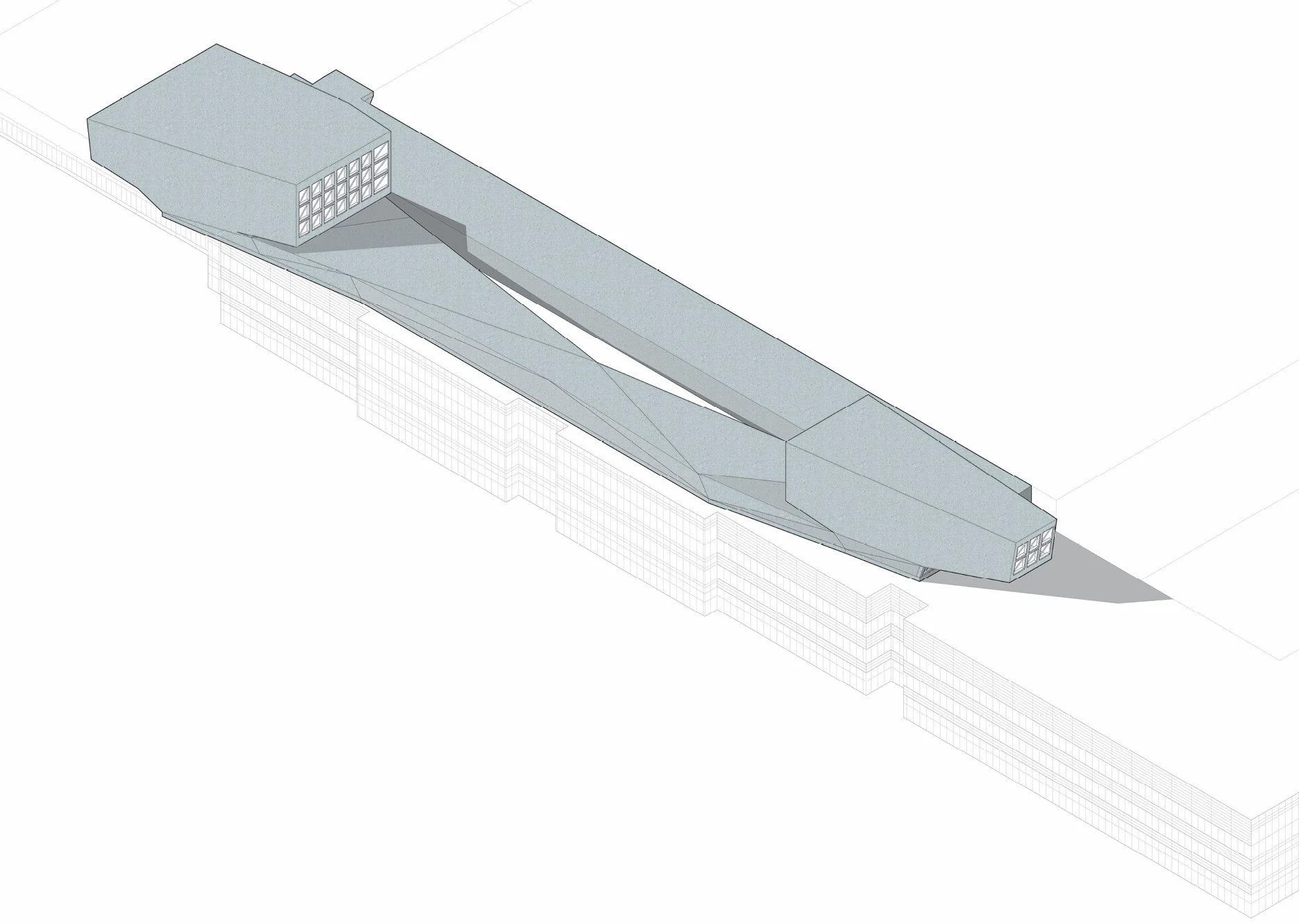
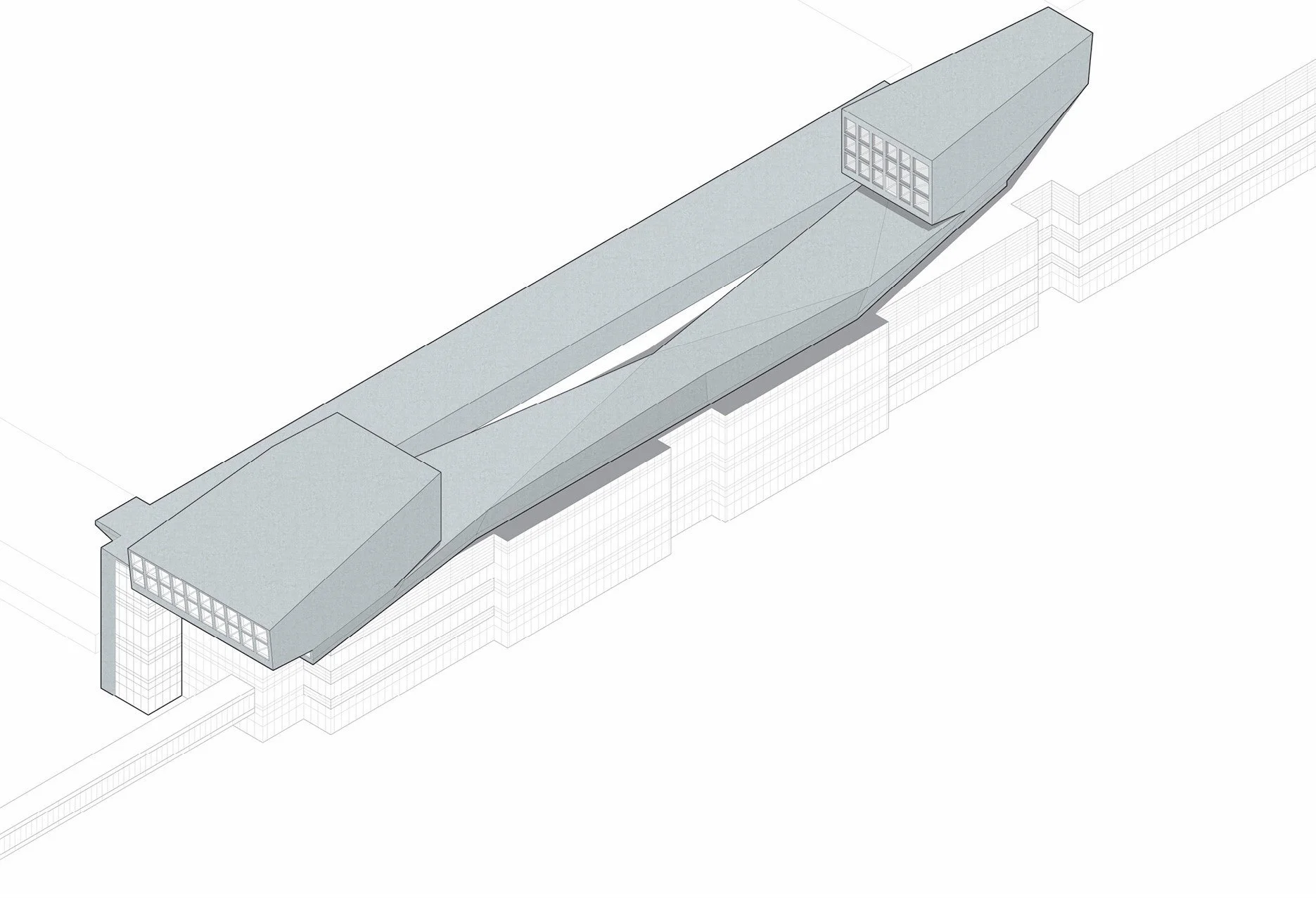
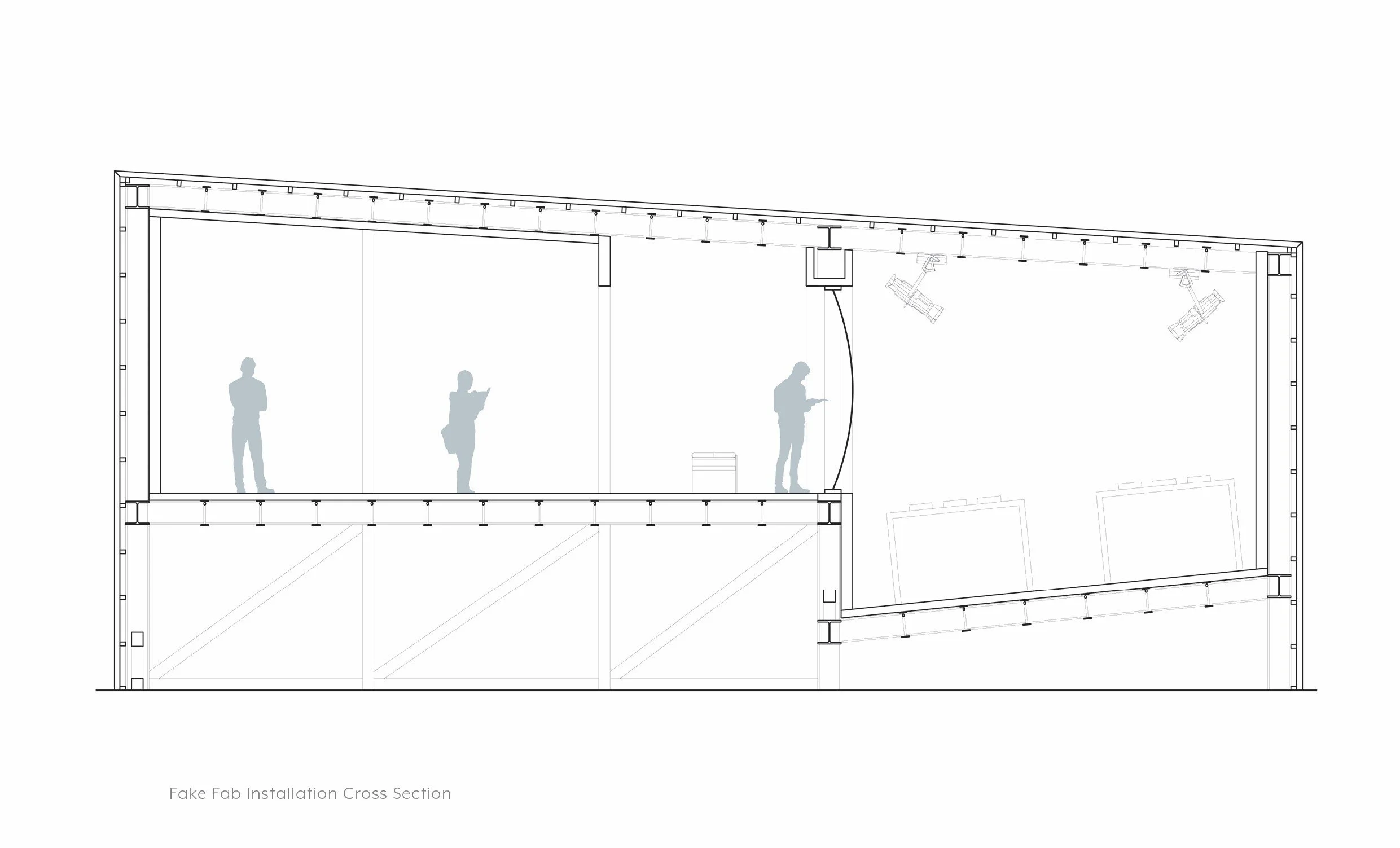
The building attaches itself directly to the existing semi-conductor facility, with the supporting structure directly dependent on the existing column and grid to distribute the loads for the addition. There is limited information on semiconductor plants and their manufacturing processes. As a solution, the visitor center displays Samsung technologies and products while also providing production experiences, such as permanent fabrication installations.